Cowhide vs. Goatskin vs. Deerskin: Glove Material Comparison
Most people pick leather gloves by feel. They flex the fingers and buy the softest pair. On rough shop work, the softest glove is often the first one to wear through.
Read post
News and updates from GROWL Products.
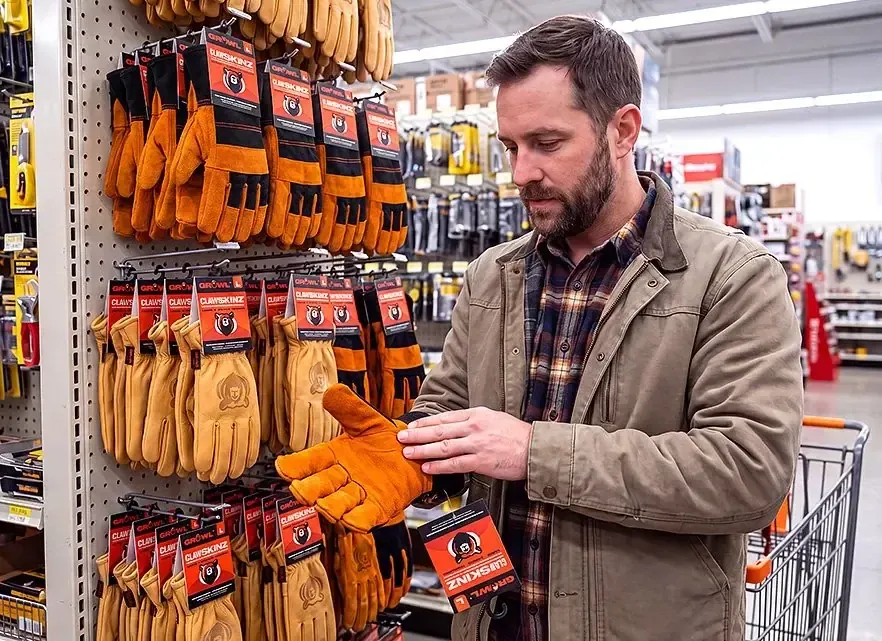
Most people pick leather gloves by feel. They flex the fingers and buy the softest pair. On rough shop work, the softest glove is often the first one to wear through.
Read post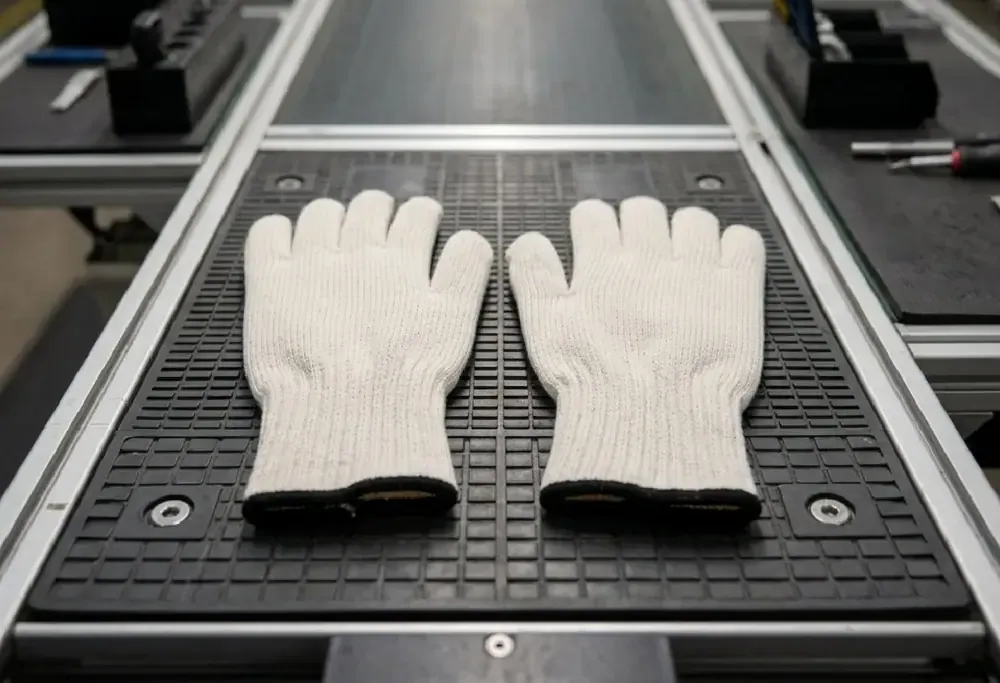
Most work gloves get judged by their coating. Nitrile, PVC, latex — pick one and that's the pitch. Plenty of jobs don't need any of it, and a coated glove just gets in the way.
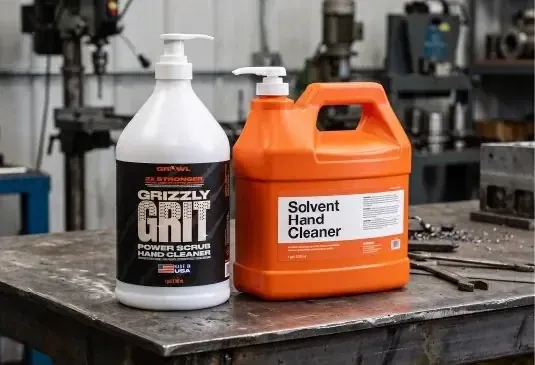
Most shop hand cleaners use a solvent to dissolve grease chemically, then pumice to scrub the rest off by hand.
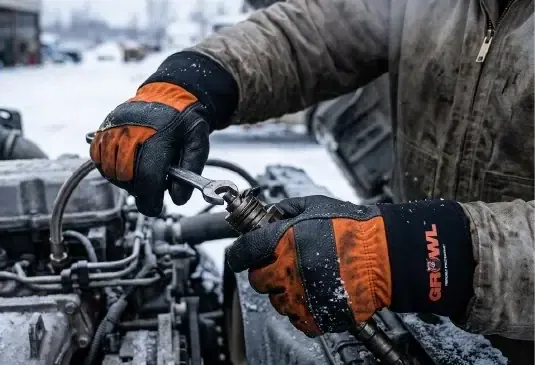
Cold doesn't just make your hands hurt. It makes them slow. Stiff fingers fumble bolts, drop sockets, and lose feel for torque long before frostbite is anywhere near the conversation.
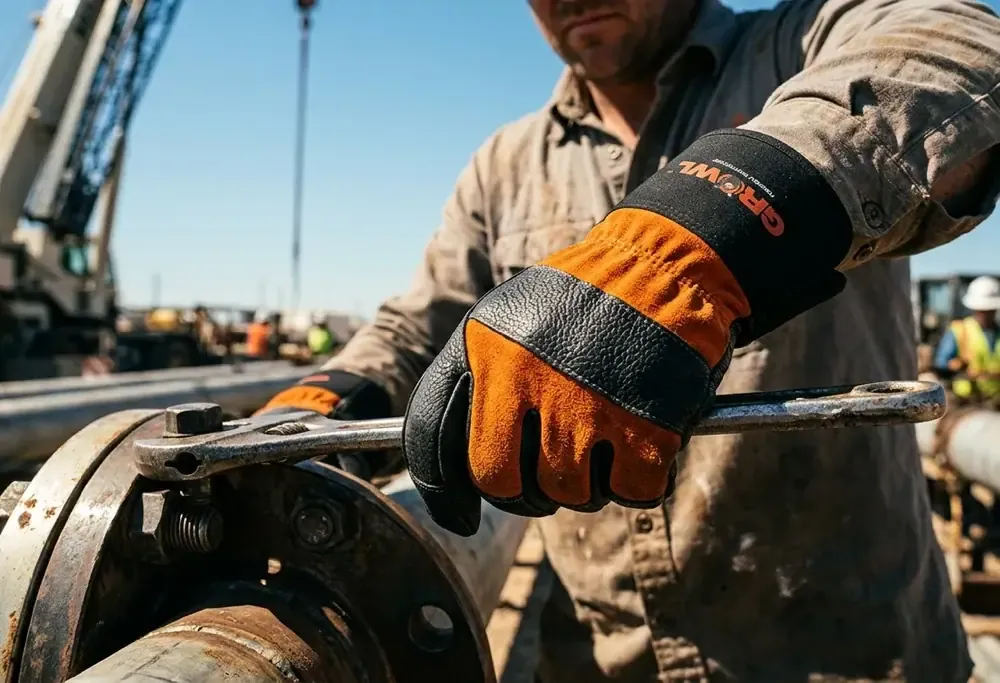
Synthetic gloves work well for a lot of jobs. Fluid handling, oily grip work, disposable barrier tasks, precision assembly.

You probably don't think your glove setup is a problem. You've been using the same gloves for years. The shop stocks them, the crew uses them, and nobody's filed a complaint.

You know what a box of gloves costs. What you don't track is what the wrong box costs you over a year.
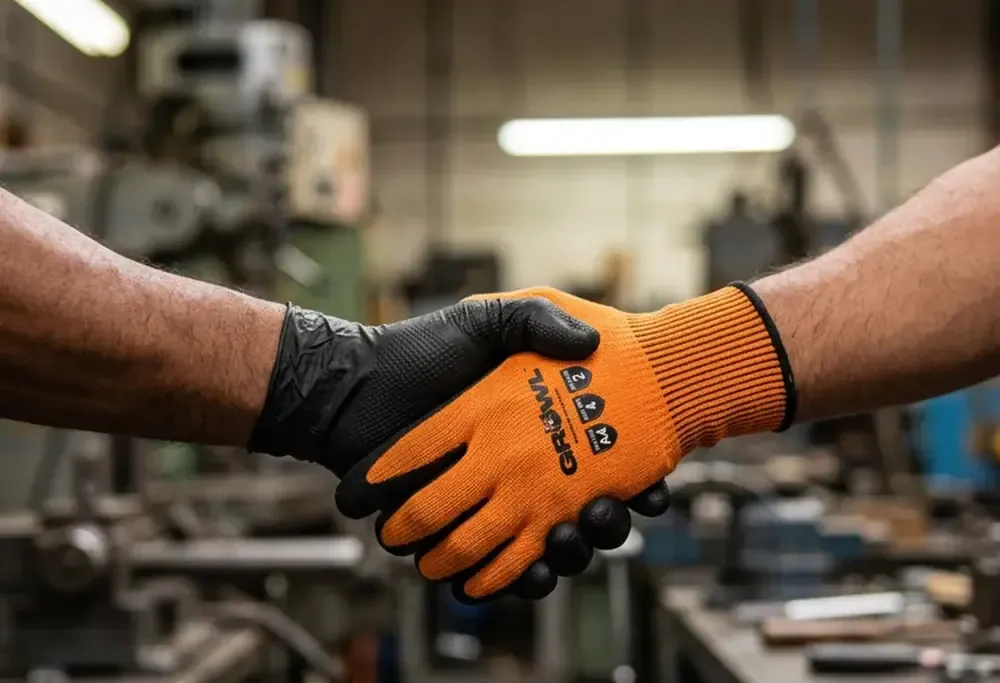
Most workers grab whatever glove is closest. That habit makes sense when the work is consistent and the glove choice is obvious.
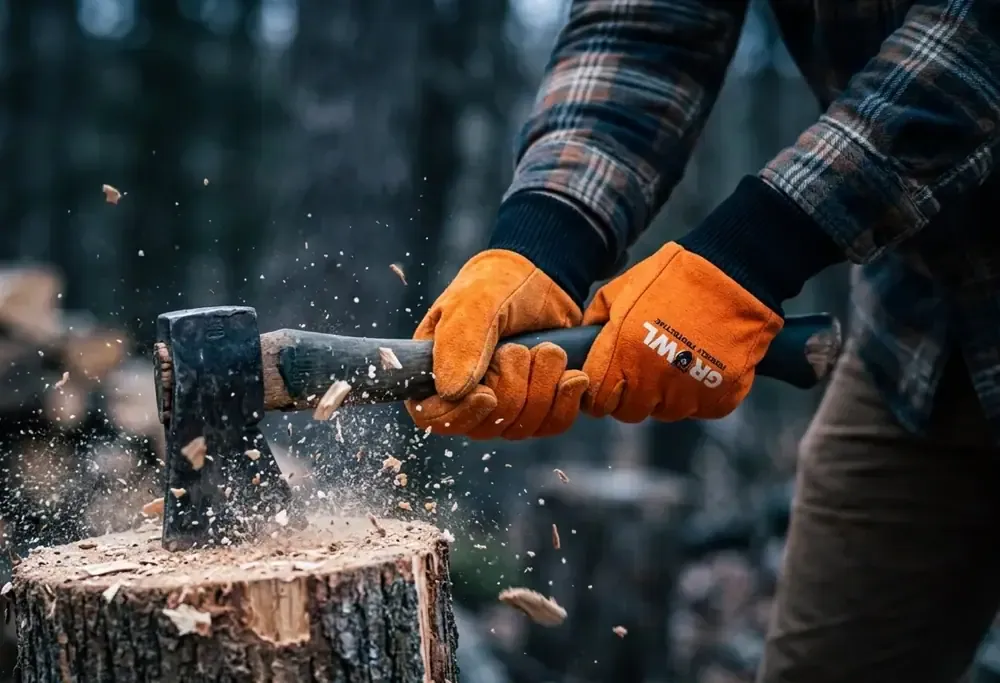
Most logging crews go through gloves the way they go through fuel. Constantly. The work is too physical, the materials too rough, and the conditions too unforgiving for a pair to last more than it needs to.
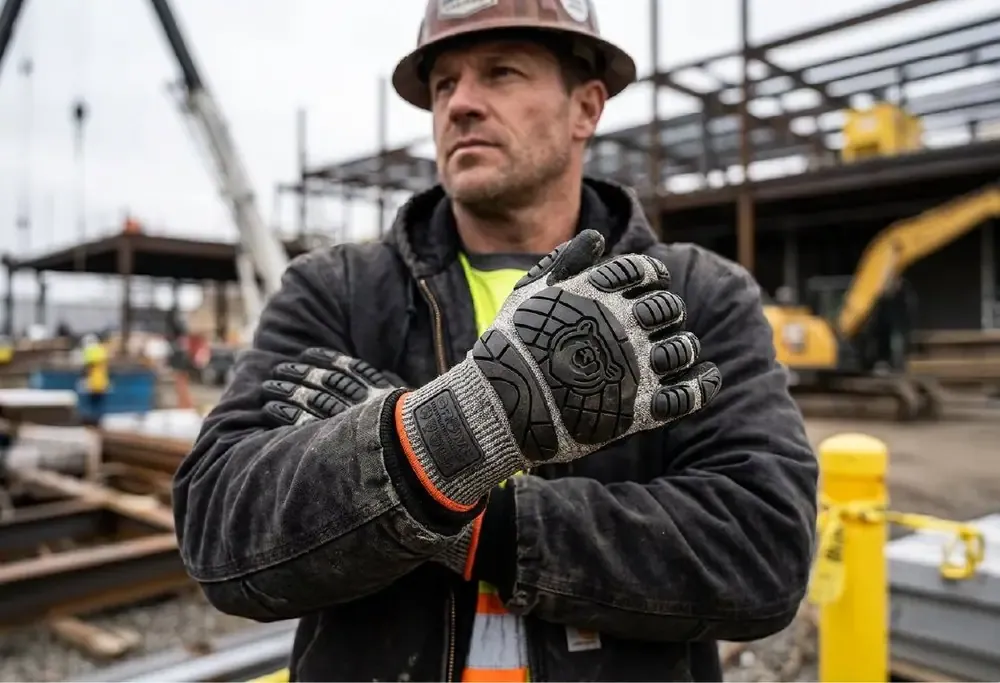
Most cut resistant glove conversations start with the rating. They should start with the job.

Most workers don't think about glove ratings until something goes wrong. A knuckle catches a bracket. The back of a hand takes a hit from a chain or a tool or a piece of equipment moving faster than expected.
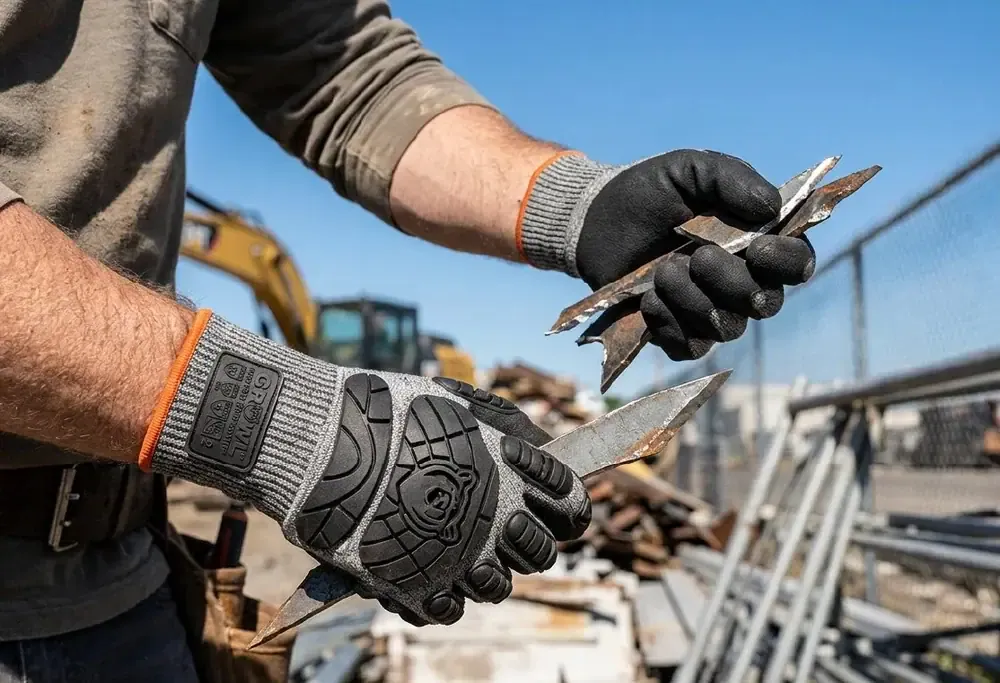
The most common mistake in cut resistant glove selection isn't buying too little protection. It's buying the wrong protection — and not knowing why.
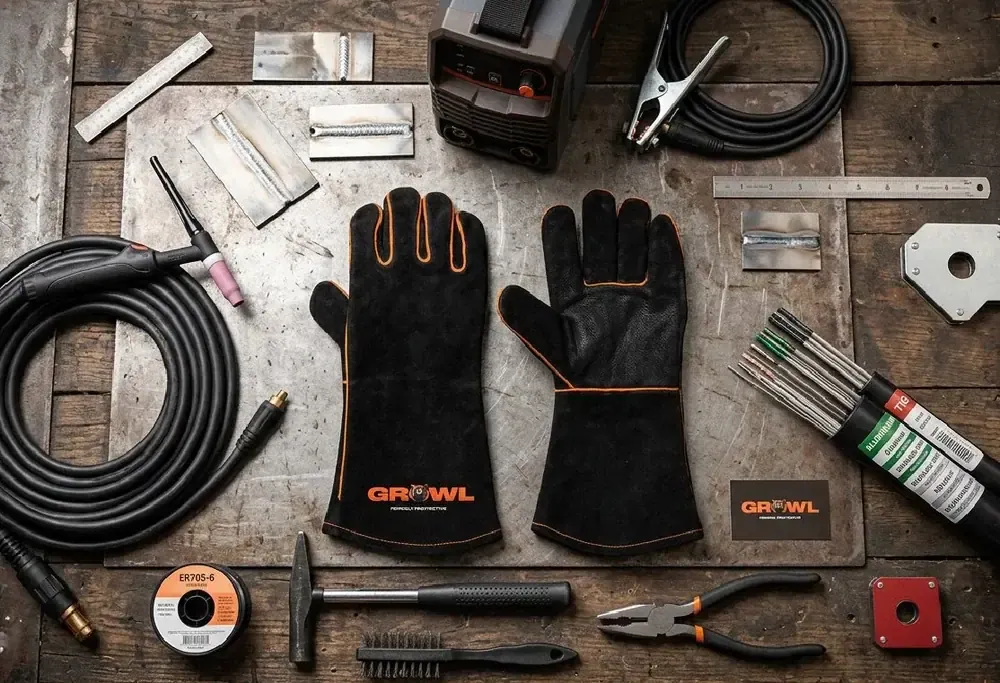
Welding gloves usually fail in predictable ways.
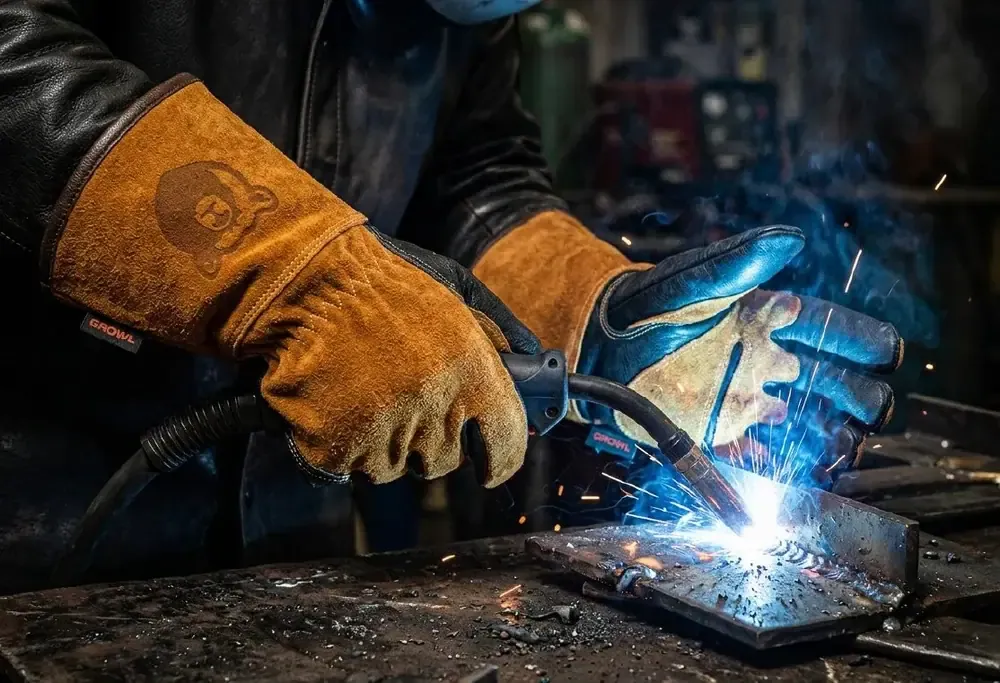
When a customer says "these gloves don't last," the problem isn't always the worker. Sometimes the glove was never built for the job.
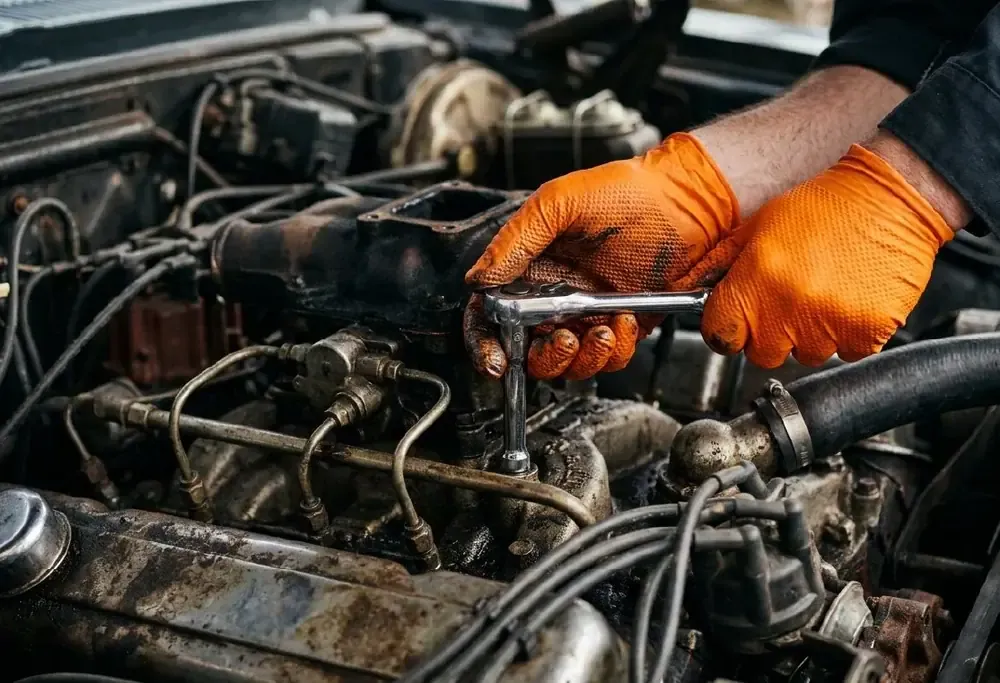
Automotive mechanics work with their hands inside chemical environments every single day.
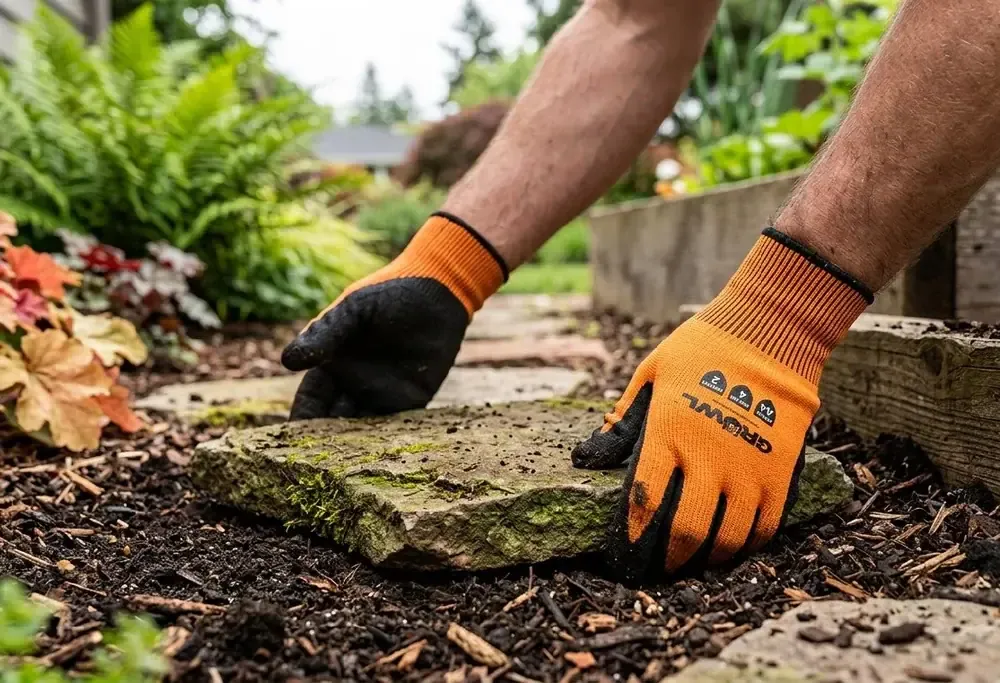
Most outdoor workers have tried enough gloves to know what doesn't work. Too hot. Too stiff. Falls apart by noon.
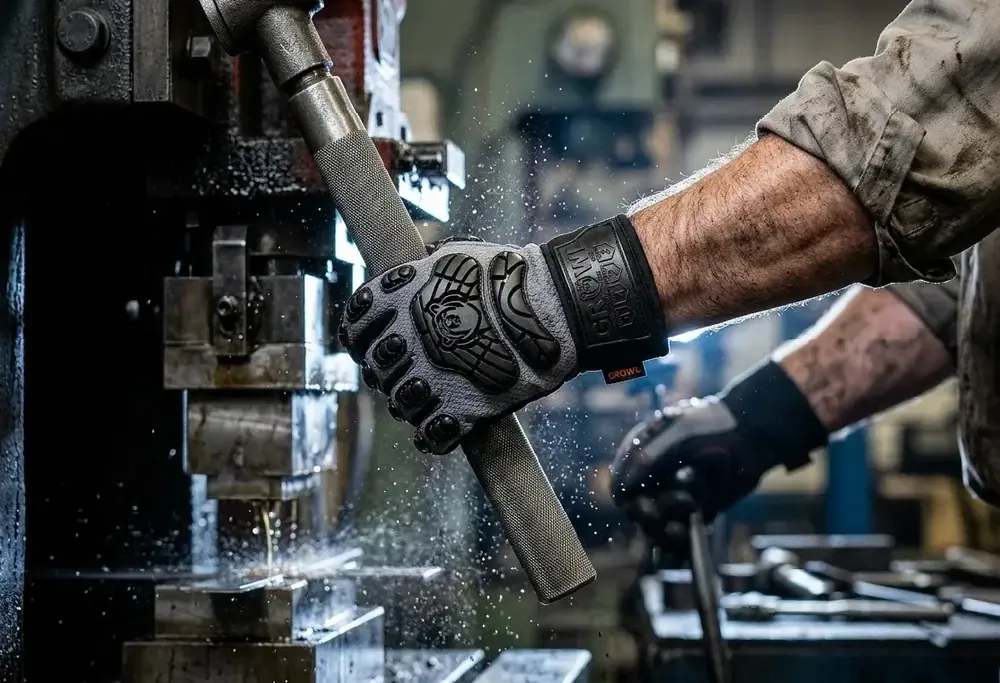
Gloves with cut resistance, impact protection, and sandy nitrile coating are not just about grip anymore.
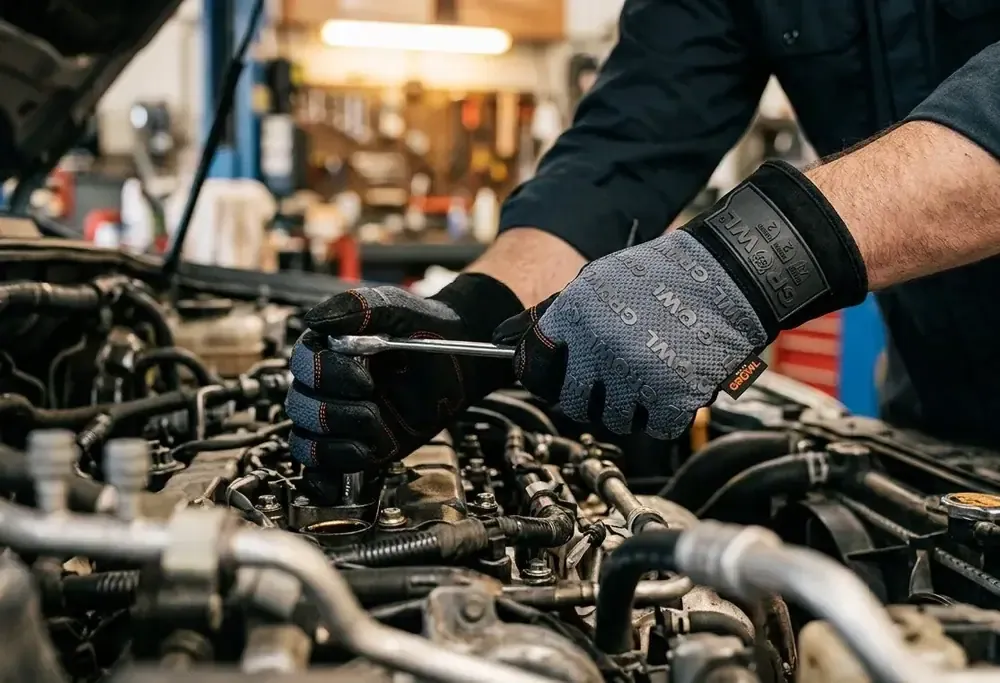
Mechanics don't do one kind of work all day.
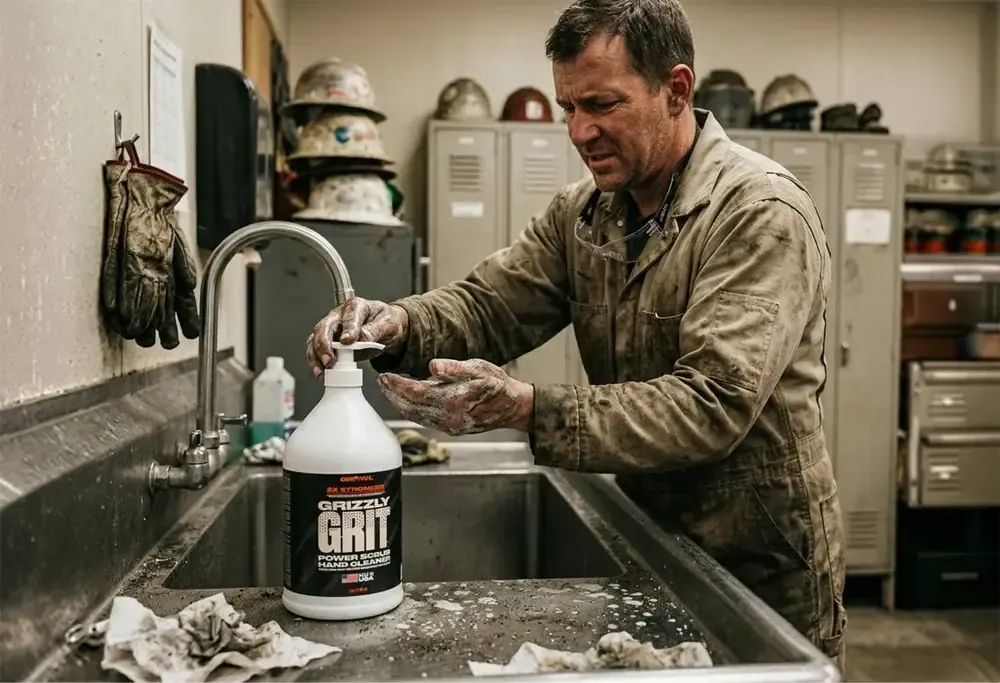
Industrial hand cleaning is not a small detail.
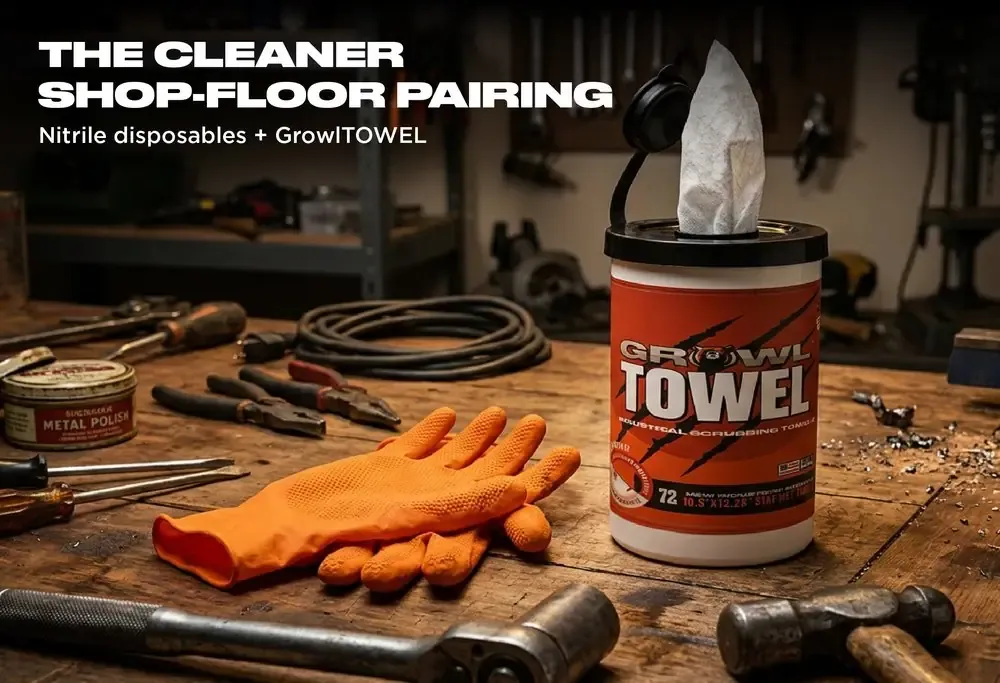
In busy industrial environments, cleanup is not a side task. It's part of the job.
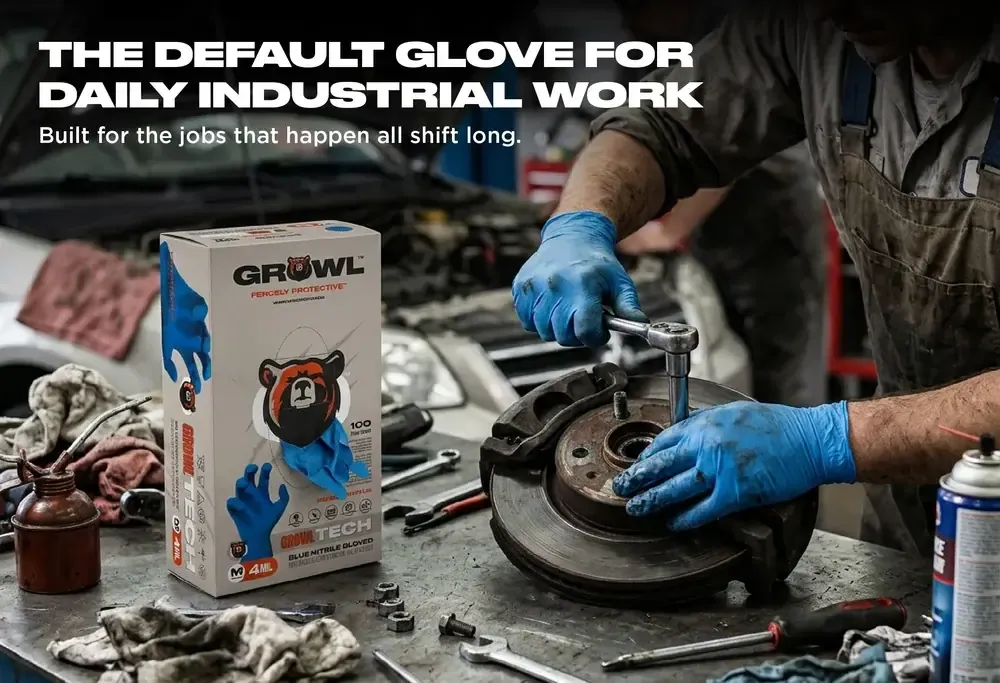
Every shop needs a default glove.
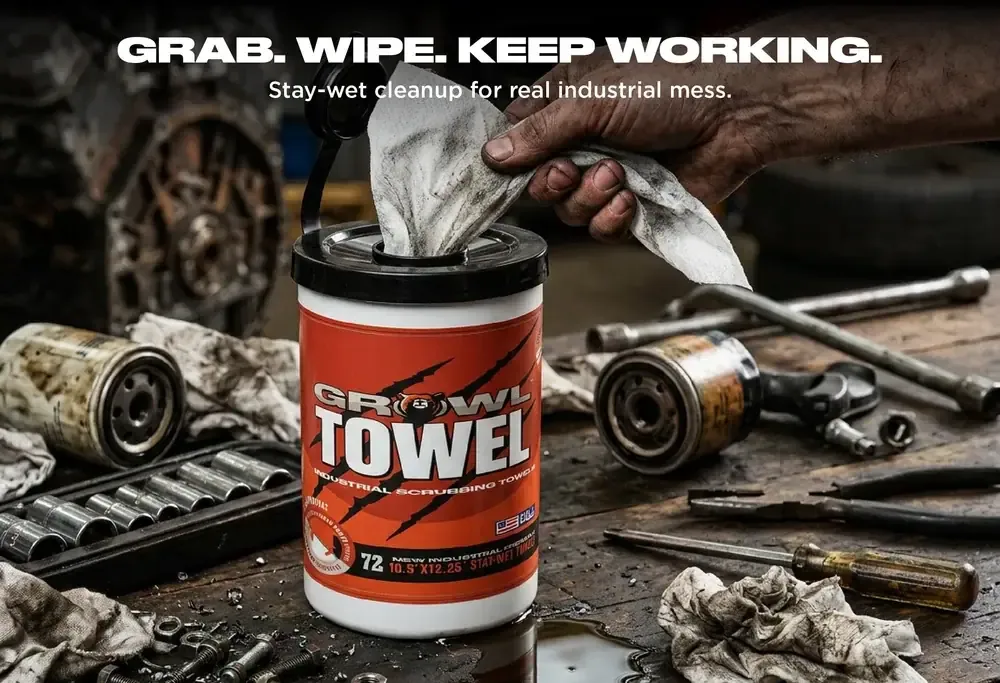
Traditional shop rags and industrial cloths have their place: absorbing liquid, wiping loose debris, handling basic cleanup. But they fall short when the mess gets heavier.

Food operations move fast.
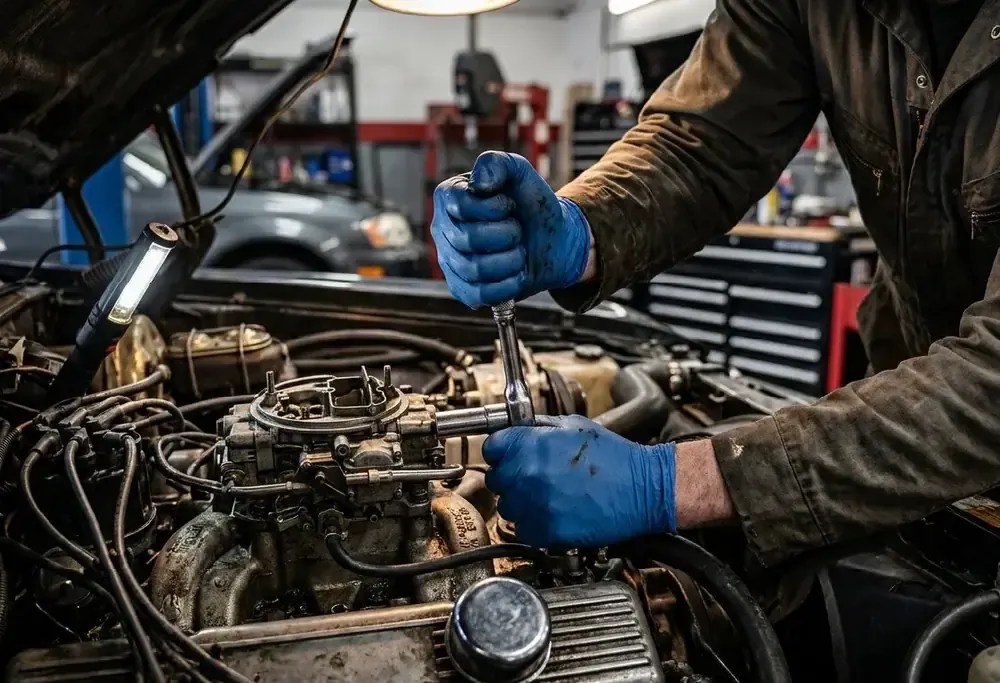
Automotive work is dirty, fast, and hands on.
No posts with that tag yet.
Ask GROWL
Product and GR- code questions
Live chat by HubSpot, uses cookies. See our Privacy Policy.
AI assistant. It can make mistakes, so confirm codes and details with sales. Please do not share personal or payment details.
Chat is not available right now. Call 888-583-0095 or email sales@growlproducts.com.